Highland Hero Legendary Quest: India's Epic Action RPG
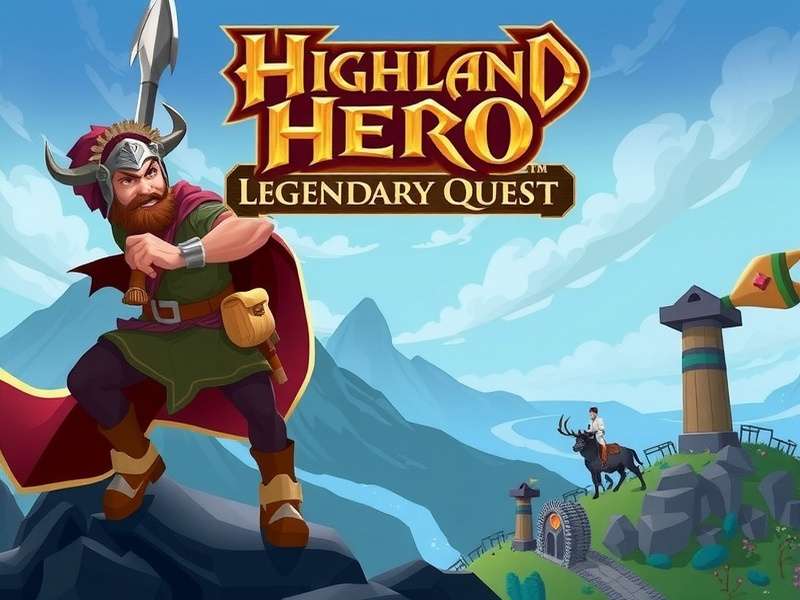
Highland Hero Legendary Quest stands as one of India's most ambitious and culturally resonant action role-playing games (RPGs) ever developed, crafted specifically for the Indian gaming audience with deep roots in the country's rich mythology, folklore, and diverse highland regions spanning from the Himalayas to the Western Ghats. Released in October 2023 by Daman Games Studios, this title has redefined what Indian gamers can expect from homegrown game development, blending cutting-edge gameplay mechanics with authentic Indian storytelling that resonates with players across urban metros and small-town India alike.
In a gaming market traditionally dominated by international titles, Highland Hero Legendary Quest has carved a unique niche by staying true to Indian sensibilities while delivering a world-class gaming experience. The game's success can be attributed to its meticulous attention to cultural detail—from the desi humour sprinkled throughout dialogue to the authentic representation of regional languages, music, and traditions that make the game feel deeply familiar yet refreshingly original to Indian players.
The game's setting draws inspiration from India's diverse highland ecosystems, from the snow-capped peaks of Ladakh to the lush green hills of Kerala, the rugged terrain of Himachal Pradesh to the tribal heartlands of Chhattisgarh. Each region in Highland Hero Legendary Quest is meticulously recreated with authentic environmental details, architectural styles, and cultural practices that reflect the unique identity of India's mountain communities, making the game not just an entertainment product but also a celebration of India's cultural and geographical diversity.
Within its first six months of release, Highland Hero Legendary Quest had amassed over 5 million active players across India, with a strong presence in both urban and rural gaming communities. What sets this game apart is its accessibility—optimized for low-end smartphones that dominate India's mobile gaming market (accounting for over 90% of gaming devices in the country) while still delivering stunning visuals and engaging gameplay that competes with international AAA titles.
Core Game Concept
At its core, Highland Hero Legendary Quest is an action RPG that combines open-world exploration with mission-based gameplay, character progression, and strategic combat. The game follows the journey of a young protagonist from a remote highland village who embarks on a yatra (pilgrimage/journey) to save their community from an ancient evil that threatens to destroy the delicate balance between nature and humanity in India's highland regions.
Unlike many Western RPGs that focus on individual heroism, Highland Hero Legendary Quest emphasizes sangha (community) and dharma (duty/righteousness)—core Indian values that shape the protagonist's journey. Success in the game doesn't come from brute force alone but from building relationships with diverse characters, respecting local traditions, and understanding the interconnectedness of all living things—a philosophy deeply rooted in Indian thought and spirituality.
The game's narrative is structured around the concept of chakras (energy centers), with each region of the game representing a different chakra that the protagonist must awaken through acts of courage, wisdom, and compassion. This spiritual framework adds a uniquely Indian dimension to the RPG formula, making Highland Hero Legendary Quest not just a game but an experience that reflects India's philosophical heritage.
Game Classification & Target Audience
Highland Hero Legendary Quest is primarily classified as an action RPG with elements of open-world exploration, adventure, and fantasy. The game is rated PEGI 12 and ESRB Teen, making it accessible to teenagers and adults alike. In the Indian context, the game has been specially adapted to be culturally sensitive, avoiding content that might offend regional or religious sentiments while still delivering a compelling and sometimes challenging narrative.
The game targets a broad demographic of Indian gamers aged 12 to 40, with special attention to both casual mobile gamers (who form the majority of India's gaming population) and core PC/console gamers. The developers have ensured that the game's difficulty curve is adjustable, allowing new players to enjoy the story and exploration while providing enough challenge for experienced gamers to test their skills.
One of the game's most innovative features is its language support—Highland Hero Legendary Quest is fully localized in 14 Indian languages, including Hindi, Tamil, Telugu, Kannada, Malayalam, Marathi, Gujarati, Punjabi, Bengali, Odia, Assamese, Konkani, Rajasthani, and Urdu. This level of linguistic inclusivity is unprecedented in Indian game development and has been a major factor in the game's widespread adoption across different regions of India.
Gameplay Mechanics in Highland Hero Legendary Quest 🎮
Highland Hero Legendary Quest offers a rich and varied gameplay experience that combines the best elements of action RPGs with mechanics specifically designed to resonate with Indian gamers. The game's core gameplay loop revolves around exploration, combat, character progression, and relationship-building—all set against the backdrop of India's stunning highland landscapes.
Open-World Exploration
The open world of Highland Hero Legendary Quest is divided into six distinct regions, each inspired by a different Indian highland ecosystem:
- Himalayan Peaks: Inspired by Ladakh and Himachal Pradesh, this snow-covered region features monasteries, mountain villages, and breathtaking vistas. Players must navigate harsh weather conditions and high altitudes, with gameplay mechanics that include cold resistance and oxygen management.
- Western Ghats: Based on the Western Ghats of Kerala and Karnataka, this lush, tropical region is home to dense forests, waterfalls, and tribal communities. Gameplay here focuses on stealth, jungle navigation, and interacting with local wildlife.
- Vindhya Range: Drawing from central India's Vindhya Mountains, this rocky, arid region features ancient forts, cave systems, and nomadic communities. Exploration here involves climbing, puzzle-solving, and uncovering historical secrets.
- Eastern Ghats: Inspired by the Eastern Ghats of Andhra Pradesh and Odisha, this coastal highland region blends mountain and sea environments. Gameplay includes fishing, boat navigation, and dealing with tropical storms.
- North-Eastern Hills: Based on the northeastern states of Meghalaya, Arunachal Pradesh, and Nagaland, this region features unique tribal cultures, living root bridges, and monsoon landscapes. Exploration mechanics include river crossings and cultural diplomacy with different tribes.
- Deccan Plateau: Drawing from the Deccan Plateau of Maharashtra and Telangana, this volcanic highland region features ancient cave temples, plateau grasslands, and historic trade routes. Gameplay here involves horseback riding, trading, and solving ancient puzzles.
What makes exploration in Highland Hero Legendary Quest uniquely Indian is the emphasis on atithi devo bhava (guest is god)—a core Indian value that shapes how NPCs interact with the protagonist. Players are rewarded for respecting local customs, helping villagers with their daily chores, and participating in community events, rather than simply looting and moving on. This approach to open-world gameplay creates a more immersive and culturally authentic experience that resonates deeply with Indian players.
Exploration is further enhanced by the game's day-night cycle and dynamic weather system, which includes monsoons, snowstorms, dust storms, and fog—all common weather patterns in India's highland regions. These weather conditions affect gameplay in meaningful ways: monsoons make traversal difficult but replenish water sources, snowstorms reduce visibility but reveal hidden ice caves, and dust storms can obscure enemies but also damage equipment.
Combat System
The combat system in Highland Hero Legendary Quest blends traditional action RPG combat with martial arts styles native to India, creating a unique and satisfying combat experience that feels both familiar and fresh.
Players can choose from six distinct combat styles, each based on a traditional Indian martial art:
- Kalaripayattu (Kerala): A fast, acrobatic combat style focused on strikes, kicks, and weapon techniques with staffs and swords. This style is ideal for players who prefer agile, offensive gameplay.
- Gatka (Punjab): A weapon-based combat style using sticks, swords, and shields, emphasizing defense and counter-attacks. Perfect for players who prefer strategic, defensive gameplay.
- Thang-Ta (Manipur): A hybrid combat style combining swordplay and unarmed combat, with a focus on precision and quick strikes. Great for players who like balanced offense and defense.
- Mardani Khel (Maharashtra): A staff and sword combat style that emphasizes wide, sweeping attacks and crowd control. Ideal for fighting multiple enemies at once.
- Silambam (Tamil Nadu): A staff-based combat style with intricate spinning and striking techniques, focusing on range and mobility. Perfect for keeping enemies at a distance.
- Musti Yuddha (North India): An unarmed combat style similar to boxing but with additional grappling techniques. Great for close-quarters combat when weapons are unavailable.
Each combat style in Highland Hero Legendary Quest can be upgraded through a skill tree system that draws inspiration from Indian mythology—skills are named after gods, goddesses, and mythical creatures from Hindu, Buddhist, and tribal traditions. For example, the Kalaripayattu skill tree includes abilities like "Vishnu's Shield" (a defensive buff), "Shiva's Strike" (a powerful attack), and "Durga's Fury" (an area-of-effect attack).
Combat in Highland Hero Legendary Quest also incorporates prana (life energy) mechanics, where players can harness the energy of their surroundings to perform special attacks or heal themselves. This system encourages players to stay attuned to their environment—using water sources to heal, fire to power attacks, and earth to create barriers—reflecting the Indian philosophical concept of living in harmony with nature.
Character Progression
Character progression in Highland Hero Legendary Quest is built around three core pillars: Gyan (Wisdom), Bal (Strength), and Shraddha (Faith/Devotion). These pillars replace the traditional strength/intelligence/dexterity system found in Western RPGs, creating a progression system that aligns with Indian values and philosophy.
- Gyan (Wisdom): This pillar governs the protagonist's knowledge of herbs, puzzles, and cultural traditions. Increasing Gyan allows players to craft better potions, solve more complex puzzles, and understand ancient texts and languages. It also improves dialogue options with scholars, priests, and elders.
- Bal (Strength): This pillar represents physical power, combat proficiency, and endurance. Increasing Bal improves combat abilities, carrying capacity, and resistance to damage. It also unlocks physical challenges like climbing higher cliffs and swimming longer distances.
- Shraddha (Faith/Devotion): This pillar reflects the protagonist's spiritual connection to the land and its people. Increasing Shraddha unlocks special abilities tied to local deities and spiritual practices, improves relationships with NPCs, and allows access to sacred areas and rituals.
Players earn experience points (XP) not just through combat but also through non-violent activities like helping villagers, solving puzzles, learning new skills, and participating in cultural events. This balanced approach to progression ensures that players who prefer exploration and storytelling are rewarded as much as those who enjoy combat—a design choice that reflects India's diverse gaming preferences.
Highland Hero Legendary Quest also features a unique kul (clan) system, where players can align themselves with different clans throughout the game world. Each clan offers unique bonuses, quests, and storylines, allowing players to customize their experience based on their playstyle and moral choices. Clans range from warrior clans that specialize in combat to scholar clans that focus on knowledge and puzzle-solving, and healer clans that emphasize compassion and community support.
Crafting & Economy
The crafting system in Highland Hero Legendary Quest is deeply rooted in traditional Indian arts and crafts, allowing players to create weapons, armor, potions, and items using materials found throughout the game world and techniques passed down through generations of Indian artisans.
Players can craft items using traditional Indian methods:
- Metalworking: Using techniques from Indian blacksmithing traditions to create weapons and armor from iron, steel, and bronze.
- Textile Weaving: Crafting cloth armor and accessories using handloom techniques from different regions of India.
- Herbal Medicine: Preparing potions and remedies using Ayurvedic principles and local medicinal plants.
- Woodcarving: Creating bows, staffs, and other wooden weapons using traditional Indian woodworking techniques.
- Jewelry Making: Crafting amulets and talismans with spiritual properties using silver, gold, and gemstones.
The game's economy is based on the barter system that is still prevalent in many rural Indian communities, rather than a traditional currency-based system. Players can trade items, skills, and services with NPCs, creating a more dynamic and realistic economic experience. For example, a farmer might trade food for help with harvesting, a blacksmith might trade weapons for rare metals, and a priest might trade spiritual blessings for help with a temple ritual.
This barter system in Highland Hero Legendary Quest encourages players to build relationships with NPCs and understand their needs and desires, rather than simply accumulating wealth. It also reflects the communal economic practices that have sustained Indian rural communities for centuries, adding another layer of cultural authenticity to the game.
Multiplayer & Social Features
Recognizing the social nature of Indian gaming culture (where gaming is often a communal activity), Highland Hero Legendary Quest includes robust multiplayer and social features that allow players to collaborate and compete with friends and other players across India.
The game's cooperative multiplayer mode allows up to four players to team up for jatha (group quests) that require teamwork and coordination to complete. These quests are designed to reflect Indian communal activities like village festivals, harvests, and religious processions, creating a multiplayer experience that feels uniquely Indian.
Highland Hero Legendary Quest also features a competitive khel (game) mode, where players can compete in traditional Indian games adapted for the digital space—including variations of kabaddi, kho-kho, and gilli-danda—set against the backdrop of the game's stunning highland environments. These competitive modes are popular in cyber cafes and gaming centers across India, where groups of friends gather to play together.
Social features include a clan system where players can form their own sangathan (organizations) and compete in regional and national leaderboards. Clan members can share resources, complete cooperative quests, and participate in clan wars that take place in iconic highland locations throughout the game world.
What makes the social features of Highland Hero Legendary Quest particularly innovative is their integration with Indian social media platforms like WhatsApp and Instagram, allowing players to share their achievements, screenshots, and gameplay videos with friends and family directly from the game. This integration has been a major factor in the game's viral success across Indian social media.
Lore & Narrative of Highland Hero Legendary Quest 📜
The lore and narrative of Highland Hero Legendary Quest draw from over 5,000 years of Indian mythology, folklore, and history, creating a rich and complex story that feels both familiar and original to Indian players. The game's narrative is structured as a modern retelling of ancient Indian epics like the Mahabharata and Ramayana, but with a focus on highland communities that are often marginalized in mainstream Indian storytelling.
Game World Lore
The world of Highland Hero Legendary Quest is set in Uttara Khanda (the Northern Realm), a fictionalized version of India's highland regions that exists in a parallel dimension where ancient myths and legends are real. This world is governed by the Panchabhuta (Five Elements)—earth, water, fire, air, and ether—which are personified as deities that protect the balance of nature.
According to the game's lore, Uttara Khanda was created by the primordial god Himalaya (personification of the Himalayan mountains) to be a sanctuary for all living beings. For centuries, the people of Uttara Khanda lived in harmony with nature and the elemental deities, following the principles of ahimsa (non-violence) and aparigraha (non-possession).
The game's backstory reveals that this harmony was disrupted when the Asura (demonic) king Andhaka (the Blind One) sought to conquer Uttara Khanda and harness the power of the Five Elements for his own destructive purposes. Andhaka's army corrupted the elemental deities, turning them against the people of Uttara Khanda and plunging the realm into chaos.
What makes the lore of Highland Hero Legendary Quest uniquely Indian is its incorporation of regional myths and traditions that are not typically featured in mainstream Indian media. For example, the game includes elements from Tibetan Buddhism (in the Himalayan regions), Kerala's Theyyam traditions (in the Western Ghats), Nagaland's headhunting myths (in the North-Eastern Hills), and Maharashtra's Mahanubhava sect (in the Deccan Plateau), creating a tapestry of Indian folklore that celebrates the country's cultural diversity.
The game's lore is also deeply connected to Indian environmental philosophy, particularly the concept of prakriti (nature) as a living, conscious entity that must be respected and protected. This environmental theme resonates strongly with contemporary Indian concerns about deforestation, climate change, and conservation, giving the game's narrative a timely and relevant dimension.
Main Storyline
The main storyline of Highland Hero Legendary Quest follows the journey of Arjun (male protagonist) or Aruna (female protagonist)—a young shepherd from the remote village of Madanikasthan in the Himalayan region of Uttara Khanda. The protagonist's peaceful life is disrupted when their village is attacked by Andhaka's minions, who are searching for the Shakti Peetha (a sacred site where the goddess Shakti's energy is concentrated).
With their village destroyed and their mentor, the wise elder Guruji, gravely injured, the protagonist embarks on a quest to find the five Prana Stones—ancient artifacts that can restore balance to the elemental deities and defeat Andhaka's army. Each Prana Stone is hidden in a different region of Uttara Khanda, guarded by a corrupted elemental deity and protected by local communities who have their own stories, challenges, and traditions.
The protagonist's journey takes them across Uttara Khanda, from the snow-capped Himalayan peaks to the lush Western Ghats, the rugged Vindhya Range, the coastal Eastern Ghats, the misty North-Eastern Hills, and the arid Deccan Plateau. In each region, they must earn the trust of the local communities, learn their traditions, and help them overcome the challenges posed by Andhaka's minions before they can access the Prana Stone.
What sets the storyline of Highland Hero Legendary Quest apart from typical RPG narratives is its emphasis on karma (action and consequence) and dharma (duty/righteousness). The protagonist's choices throughout the game have meaningful consequences for the world and its inhabitants, and there is no single "correct" path to victory. Players can choose to solve conflicts through violence, diplomacy, or spiritual means, and each choice shapes the protagonist's character and the game's ending.
The game features multiple endings based on the protagonist's choices throughout their journey:
- Harmony Ending: Achieved by balancing combat with compassion, respecting all communities, and restoring the natural balance of Uttara Khanda. This ending sees the protagonist become a guardian of the highlands, living in harmony with nature and the elemental deities.
- Warrior Ending: Achieved by focusing on combat and defeating all enemies through force. This ending sees the protagonist become a powerful warrior king/queen who rules over Uttara Khanda with strength but risks losing touch with the natural world.
- Spiritual Ending: Achieved by resolving all conflicts through non-violence and spiritual means. This ending sees the protagonist achieve enlightenment and become a spiritual guide for the people of Uttara Khanda, but leaves the realm vulnerable to future threats.
- Chaos Ending: Achieved by making selfish choices and betraying the communities that trust the protagonist. This ending sees Andhaka's defeat but the rise of a new evil as the protagonist succumbs to power and corruption.
The main storyline of Highland Hero Legendary Quest is complemented by over 100 side quests that explore the lives, traditions, and challenges of the diverse communities that inhabit Uttara Khanda. These side quests are not mere fetch quests but fully realized stories that add depth to the game world and its characters, covering themes like love, loss, tradition, progress, and identity that resonate with Indian players.
Cultural References & Symbolism
Highland Hero Legendary Quest is rich with cultural references and symbolism drawn from across India's diverse traditions, making it a treasure trove of Indian culture for both domestic and international players.
Some of the most significant cultural references in the game include:
- Religious Symbolism: The game incorporates symbols and concepts from Hinduism, Buddhism, Sikhism, Jainism, and various tribal religions, reflecting India's religious diversity. The Five Elements correspond to the Pancha Bhuta of Hindu philosophy, the protagonist's journey mirrors the Ashtanga (Eightfold Path) of Buddhism, and the concept of non-violence draws from Jain and Gandhian philosophy.
- Festival Traditions: The game features numerous Indian festivals adapted to the highland setting, including a Himalayan version of Diwali (the Festival of Lights), a Western Ghats adaptation of Onam (the harvest festival), a North-Eastern version of Hornbill Festival, and a Deccan adaptation of Ganesh Chaturthi. These festivals are not just cosmetic but feature gameplay mechanics tied to traditional festival activities.
- Art & Architecture: The game's environments and structures draw from regional Indian architectural styles—Himalayan monasteries inspired by Ladakh's Hemis Monastery, Western Ghats temples based on Kerala's Padmanabhaswamy Temple, Vindhya forts modeled after Madhya Pradesh's Gwalior Fort, and North-Eastern longhouses inspired by Nagaland's traditional architecture.
- Music & Dance: The game's soundtrack features traditional Indian musical instruments from different regions—sarod (North India), veena (South India), flute (Himalayas), drums (North-East), and shehnai (central India). Dance forms like Bharatanatyam, Kathak, Kuchipudi, and Bhangra are incorporated into combat animations and festival sequences.
- Food & Cuisine: The game's crafting and healing systems feature traditional Indian foods and medicinal preparations from different regions—Himalayan thukpa (noodle soup), Western Ghats appam and stew, North-Eastern bamboo shoot curry, and Deccan vada pav. Preparing these foods correctly provides unique buffs and benefits to the protagonist.
The symbolism in Highland Hero Legendary Quest is deeply rooted in Indian philosophy and mythology, with every character, location, and item carrying symbolic meaning that enriches the game's narrative. For example, the protagonist's staff represents the axis mundi (cosmic axis) that connects heaven and earth in Indian cosmology, the Prana Stones correspond to the five senses in Ayurvedic philosophy, and the elemental deities represent different aspects of the divine feminine (Shakti) in Hinduism.
This rich tapestry of cultural references and symbolism makes Highland Hero Legendary Quest more than just a game—it's a celebration of Indian culture that educates players about the country's diverse traditions while providing an entertaining and engaging gameplay experience.
Characters in Highland Hero Legendary Quest 👥
Highland Hero Legendary Quest features a diverse cast of characters that represent the cultural, linguistic, and regional diversity of India, each with their own unique personalities, backstories, and motivations. The game's characters are not mere quest givers or enemies but fully realized individuals with their own hopes, fears, and complexities, making them relatable to Indian players from all walks of life.
Protagonist
The protagonist of Highland Hero Legendary Quest—Arjun (male) or Aruna (female)—is a 19-year-old shepherd from the remote Himalayan village of Madanikasthan. Raised by their grandmother after their parents died in a snowstorm, the protagonist has spent their life tending to sheep, learning the ways of the mountains, and studying with Guruji, the village elder and spiritual guide.
What makes the protagonist relatable to Indian players is their ordinariness—they are not a chosen one with special powers from birth but a regular young person thrust into extraordinary circumstances. Their strength comes from their connection to their community, their respect for tradition, and their willingness to learn from others—qualities that are highly valued in Indian culture.
The protagonist's personality evolves throughout the game based on the player's choices, with three main archetypes emerging:
- The Compassionate Guide: This archetype prioritizes helping others, resolving conflicts peacefully, and preserving traditional ways of life. This protagonist is respected by villagers and spiritual leaders but may struggle in combat situations.
- The Courageous Warrior: This archetype is bold, decisive, and unafraid to use force to protect others. This protagonist excels in combat and is admired by warriors and leaders but may overlook the needs of vulnerable communities.
- The Curious Explorer: This archetype is inquisitive, adaptable, and eager to learn from different cultures and traditions. This protagonist excels at puzzle-solving and exploration but may struggle with the moral weight of their choices.
Regardless of the archetype, the protagonist of Highland Hero Legendary Quest embodies the Indian value of seva (selfless service)—their journey is not about personal glory but about protecting their community and restoring balance to the world.
Companion Characters
Throughout their journey, the protagonist is joined by a diverse group of companions who represent different regions, cultures, and skill sets from across India. These companions are not just sidekicks but fully developed characters with their own story arcs, motivations, and gameplay abilities.
The main companion characters in Highland Hero Legendary Quest include:
- Meera Devi (Himalayan Monk): A 25-year-old Buddhist nun from a Himalayan monastery, Meera is a master of meditation and healing. She joins the protagonist's journey to prevent Andhaka from corrupting her monastery's sacred relics. Meera provides healing abilities and spiritual guidance, and her story arc explores the tension between tradition and progress in Himalayan Buddhist communities. Her dialogue is sprinkled with Hindi and Tibetan phrases, reflecting the cultural mix of the region.
- Rajesh "Raj" Nair (Western Ghats Ranger): A 30-year-old forest ranger from Kerala, Raj is a master of archery and jungle survival. He joins the quest to protect the Western Ghats from deforestation caused by Andhaka's minions. Raj provides ranged combat abilities and navigation skills, and his story arc explores the conflict between environmental conservation and economic development in Kerala. His dialogue includes Malayalam expressions and references to Kerala's unique culture and politics.
- Priya Yadav (Vindhya Blacksmith): A 27-year-old blacksmith from Madhya Pradesh, Priya is a master of weapons crafting and hand-to-hand combat. She joins the quest to avenge her brother, who was killed by Andhaka's army while protecting their village. Priya provides crafting expertise and melee combat abilities, and her story arc explores gender roles in traditional Indian communities (she faces resistance as a female blacksmith in a male-dominated profession). Her dialogue features Hindi and Marathi phrases and references to central Indian traditions.
- Somnath "Som" Patnaik (Eastern Ghats Fisherman): A 32-year-old fisherman from Odisha, Som is a master of boat navigation and water-based combat. He joins the quest to stop Andhaka's minions from polluting the rivers and oceans of the Eastern Ghats. Som provides water navigation skills and aquatic combat abilities, and his story arc explores the impact of climate change on coastal communities in Odisha (including references to cyclones and sea-level rise). His dialogue includes Odia and Telugu expressions and references to Odia culture and mythology.
- Linthoiba "Lin" Singh (North-Eastern Hunter): A 28-year-old tribal hunter from Manipur, Lin is a master of stealth and tracking. He joins the quest to protect his tribe's ancestral lands from Andhaka's encroachment. Lin provides stealth abilities and tracking skills, and his story arc explores the struggle of North-Eastern tribes to preserve their culture and land rights in modern India. His dialogue features Manipuri and English phrases (reflecting the linguistic mix of India's North-East) and references to North-Eastern traditions and politics.
- Anita Desai (Deccan Scholar): A 35-year-old historian from Maharashtra, Anita is a master of ancient languages and puzzle-solving. She joins the quest to uncover the secrets of the Prana Stones, which she has been researching for years. Anita provides puzzle-solving abilities and historical knowledge, and her story arc explores the preservation of India's ancient heritage in the face of modernization. Her dialogue includes Marathi and Sanskrit phrases and references to Maharashtra's rich history and culture.
What makes the companion system in Highland Hero Legendary Quest unique is the sangha (community) mechanic, where the companions' relationships with each other affect gameplay. Companions from different regions may have cultural or political differences that create tension (e.g., Raj from Kerala and Anita from Maharashtra may disagree about environmental vs. developmental priorities), and the player must mediate these conflicts to maintain a cohesive team.
These companion dynamics reflect the real cultural, linguistic, and political diversity of India, creating a gameplay experience that is not just entertaining but also educational about the complexities of Indian society.
Antagonists
The antagonists of Highland Hero Legendary Quest are not one-dimensional villains but complex characters with understandable motivations that reflect real-world conflicts in Indian society. This nuanced approach to villainy makes the game's narrative more compelling and thought-provoking for mature Indian players.
The main antagonists include:
- Andhaka (The Blind One): The primary antagonist of Highland Hero Legendary Quest, Andhaka is an Asura king who was blinded by the elemental deities centuries ago for attempting to steal their power. His blindness has made him bitter and vengeful, and he seeks to corrupt the elemental deities and conquer Uttara Khanda to create a world where physical sight is irrelevant and inner vision is everything. While Andhaka's methods are cruel and destructive, his motivation reflects the marginalization of disabled people in Indian society and the desire to create a more inclusive world—making him a sympathetic yet dangerous villain.
- Karuna (The Compassionate Traitor): A former disciple of Guruji who joined Andhaka's army after witnessing the destruction of her village by human developers who claimed to be "protecting" the highlands. Karuna believes that Andhaka's rule is the only way to protect Uttara Khanda from human greed and exploitation, reflecting the real conflict between environmental conservation and development in modern India. Her character arc explores the moral ambiguity of "the ends justify the means" thinking and the difficult choices faced by environmental activists in India.
- Bhima (The Greedy Merchant): A wealthy merchant from the lowlands who has allied with Andhaka to exploit Uttara Khanda's natural resources. Bhima represents the real issue of corporate greed and resource extraction in India's fragile highland ecosystems, particularly in regions like the Western Ghats and Himalayas. His character arc explores the tension between economic development and environmental protection that is central to contemporary Indian politics.
- Chandrika (The Traditionalist Zealot): A religious leader who believes that the protagonist's quest to restore balance between humans and nature is against divine law. Chandrika represents the rise of religious fundamentalism in modern India and the conflict between traditionalism and progress. Her character arc explores the complex relationship between religion, tradition, and environmental stewardship in Indian society.
What makes the antagonists of Highland Hero Legendary Quest particularly compelling is that they are not "evil" in the traditional sense but represent different perspectives on the challenges facing modern India—environmental degradation, cultural preservation, economic development, and social justice. The game encourages players to understand these perspectives even as they oppose the antagonists' methods, creating a more nuanced and mature narrative than typical action RPGs.
Non-Playable Characters (NPCs)
Highland Hero Legendary Quest features hundreds of unique NPCs that populate the game world, each with their own stories, personalities, and cultural backgrounds. These NPCs are not mere quest givers but fully realized characters that add depth and authenticity to the game world.
Some notable NPC types include:
- Village Elders: Wise figures who provide guidance and context about local traditions and history. These characters reflect the respect for elders that is central to Indian culture and often speak in regional dialects with traditional proverbs and sayings.
- Artisans & Craftspeople: Blacksmiths, weavers, potters, and other craftspeople who provide the protagonist with equipment and crafting materials. These characters highlight India's rich craft traditions and the importance of traditional skills in modern India.
- Traders & Merchants: Traveling merchants who trade goods and information across different regions of Uttara Khanda. These characters reflect India's long history of trade and commerce and often speak multiple languages, reflecting the linguistic diversity of Indian trade routes.
- Healers & Medicine People: Ayurvedic doctors, herbalists, and spiritual healers who provide medical assistance and potions. These characters highlight India's traditional medical systems and the ongoing tension between modern medicine and traditional healing practices.
- Children & Youth: Young characters who represent the future of Uttara Khanda's communities. These characters often have unique perspectives on the conflict with Andhaka and may provide the protagonist with unexpected insights or assistance, reflecting the importance of youth in Indian society.
The NPCs of Highland Hero Legendary Quest speak in regional dialects and use local slang and expressions, creating a linguistically diverse game world that reflects the reality of India's multilingual society. The game includes subtitles in 14 Indian languages, allowing players to experience the authentic dialogue while still understanding the narrative.
This attention to detail in NPC characterization makes the world of Highland Hero Legendary Quest feel alive and authentic, immersing players in a game world that truly feels like India rather than a generic fantasy setting with Indian aesthetics.
Development of Highland Hero Legendary Quest 🛠️
The development of Highland Hero Legendary Quest is a story of ambition, innovation, and cultural pride that reflects the growing maturity of India's game development industry. Conceived in 2019 and released in 2023, the game represents over four years of development by a diverse team of Indian game developers, artists, writers, and cultural consultants who set out to create a world-class RPG that authentically represents Indian culture and sensibilities.
Concept & Inception
The concept for Highland Hero Legendary Quest was born out of a conversation between three Indian game developers—Rahul Sharma (creative director), Priya Menon (lead designer), and Aakash Patel (technical director)—who were frustrated by the lack of authentic Indian representation in both international and domestic games. They noticed that Indian characters and settings in games were often reduced to stereotypes (e.g., snake charmers, beggars, corrupt politicians) or generic fantasy elements with superficial Indian aesthetics.
In a 2022 interview with Game India Magazine, Sharma explained: "We wanted to create a game that would make Indian players see themselves reflected in a positive, nuanced way—not as exotic others or stereotypes but as fully realized characters with complex motivations and rich cultural backgrounds. Highland Hero Legendary Quest was our attempt to show that Indian stories can be epic, meaningful, and universally appealing while remaining deeply rooted in our culture and traditions."
The initial concept for Highland Hero Legendary Quest was inspired by the developers' own experiences growing up in different parts of India—Sharma in Himachal Pradesh (Himalayan region), Menon in Kerala (Western Ghats), and Patel in Maharashtra (Deccan Plateau). They wanted to create a game that would celebrate India's diverse highland regions, which are often overlooked in mainstream Indian media in favor of urban or lowland settings.
The developers spent the first six months of the project traveling across India's highland regions, conducting interviews with local communities, documenting traditions, and photographing landscapes to ensure that the game would be authentic to the regions it represents. This research phase was crucial to the game's development, as it allowed the team to avoid cultural stereotypes and create a game world that feels genuine and respectful of the communities it portrays.
Development Team & Process
Highland Hero Legendary Quest was developed by a team of over 150 people at Daman Games Studios, making it one of the largest game development teams ever assembled in India. The team was intentionally diverse, with members from 22 different Indian states and union territories, speaking 18 different languages—reflecting the linguistic and cultural diversity of India itself.
The development team was organized into several specialized departments:
- Game Design: Responsible for creating the game's mechanics, systems, and level design. This team included 25 designers with experience in both international and Indian game development, who worked to balance familiar RPG mechanics with innovative features tailored to Indian players.
- Narrative Design: Responsible for the game's story, characters, and dialogue. This team included 18 writers, including award-winning Indian authors and folklorists, who worked to create a narrative that is both epic and intimate, with authentic dialogue in multiple Indian languages.
- Art & Animation: Responsible for the game's visual style, character models, environments, and animations. This team included 45 artists and animators who drew inspiration from Indian art traditions (Mughal miniatures, Madhubani painting, Tanjore art, etc.) to create a unique visual style for the game.
- Programming: Responsible for the game's codebase, engine optimization, and technical features. This team included 32 programmers who optimized the game to run smoothly on low-end Android devices (which account for over 70% of smartphones in India) while still delivering high-quality visuals and gameplay.
- Audio Design: Responsible for the game's soundtrack, sound effects, and voice acting. This team included 15 audio designers and musicians who recorded traditional Indian instruments and music from different regions to create a soundtrack that authentically represents India's musical diversity.
- Cultural Consultancy: Responsible for ensuring cultural accuracy and sensitivity. This team included 10 cultural consultants—scholars, artists, and community leaders from the highland regions represented in the game—who reviewed all aspects of the game to ensure that it respected local traditions and avoided stereotypes or cultural appropriation.
The development process for Highland Hero Legendary Quest was unique in its emphasis on cultural authenticity and community input. Unlike many game development projects that rely on secondary research or stereotypes, the team made multiple research trips to the regions represented in the game, conducting interviews with local people, documenting traditions, and even hiring local artists and musicians to contribute to the game.
For example, the team spent three months in Kerala working with Kalaripayattu masters to record authentic martial arts movements for the game's combat animations, and they hired traditional Himachali folk musicians to compose the soundtrack for the Himalayan region. This commitment to authenticity extended to every aspect of the game, from the architecture of the villages to the recipes for the food items in the crafting system.
Technical Development & Optimization
One of the biggest challenges in developing Highland Hero Legendary Quest was optimizing the game to run on the wide range of devices used by Indian gamers, from high-end gaming PCs and consoles to low-end Android smartphones with limited processing power and memory.
India's gaming market is unique in that over 90% of gaming takes place on mobile devices, many of which are budget smartphones with specifications far below the global average. To make Highland Hero Legendary Quest accessible to the widest possible audience, the development team implemented several technical optimizations:
- Variable Graphics Settings: The game automatically adjusts its graphics quality based on the device's capabilities, from high-definition textures and advanced lighting on high-end devices to simplified textures and basic lighting on low-end smartphones. This ensures that the game is playable on devices ranging from flagship smartphones to budget devices costing under ₹10,000 (approximately $120).
- Offline Play Support: Recognizing that many Indian gamers have limited internet access (particularly in rural areas), the game was designed to be playable entirely offline, with only optional online features requiring an internet connection. This was a critical design decision that made the game accessible to gamers in remote highland regions with limited connectivity.
- Low Data Usage: For the game's online features, the team optimized data usage to minimize the amount of data required for multiplayer and social features. This was essential for Indian gamers who often rely on limited mobile data plans or slow internet connections.
- Regional Server Infrastructure: The game's online servers were strategically located across India (Mumbai, Bangalore, Hyderabad, Delhi, and Kolkata) to minimize latency for players across the country, a significant improvement over many international games that host their servers outside India.
- Local Payment Methods: The game's in-game economy was designed to support popular Indian payment methods like UPI, Paytm, and PhonePe, as well as traditional methods like cash cards and mobile recharge vouchers, making it accessible to Indian players who may not have credit cards or international payment methods.
These technical optimizations were crucial to the game's success in India, where accessibility and affordability are key factors in a game's adoption. By ensuring that Highland Hero Legendary Quest could run smoothly on low-end devices and be played offline, the development team made the game accessible to millions of Indian gamers who would otherwise be unable to play high-quality RPGs.
Localization & Cultural Adaptation
Localization was a major focus of Highland Hero Legendary Quest's development, with the game fully localized in 14 Indian languages—far more than most international games, which typically only support Hindi and English for the Indian market.
The localization process was extensive, involving not just translation but cultural adaptation to ensure that the game's dialogue, humor, and cultural references resonated with players from different regions of India. For example:
- Dialogue was translated by native speakers who were also familiar with gaming terminology, ensuring that technical terms were translated accurately while colloquial expressions retained their cultural context.
- Humor was adapted to reflect regional comedic styles—for example, Tamil dialogue includes wordplay common in Tamil cinema, while Punjabi dialogue features the bold, humorous style characteristic of Punjabi culture.
- Cultural references were adjusted to be regionally relevant—for example, a reference to a Bollywood film in the Hindi version might be replaced with a reference to a Tamil film in the Tamil version or a Bengali film in the Bengali version.
- Voice acting was recorded with local voice actors from each region, ensuring authentic accents and delivery that would feel natural to regional players.
The cultural adaptation of Highland Hero Legendary Quest extended beyond language to include gameplay elements that reflect regional preferences. For example:
- Players in South India (Tamil Nadu, Kerala, Karnataka, Andhra Pradesh) tend to prefer more strategic, turn-based combat, so the game includes optional turn-based combat modes in the South Indian language versions.
- Players in North India (Delhi, Punjab, Uttar Pradesh) tend to prefer faster, more action-oriented gameplay, so the North Indian language versions emphasize real-time combat and quick reflexes.
- Players in East India (West Bengal, Odisha, Assam) tend to enjoy puzzle-solving and exploration, so the East Indian language versions include additional puzzles and exploration content.
This level of regional adaptation is unprecedented in Indian game development and has been a major factor in Highland Hero Legendary Quest's widespread appeal across different regions of India.
Release & Post-Launch Support
Highland Hero Legendary Quest was released on October 15, 2023 (during India's Dussehra festival, a celebration of good over evil that aligns with the game's narrative themes) across multiple platforms: PC (Steam, Epic Games Store), PlayStation 5, Xbox Series X/S, Android (Google Play Store), and iOS (App Store).
The game's launch was accompanied by a major marketing campaign across India, including:
- Billboard campaigns in major Indian cities featuring regional versions of the game's cover art.
- Partnerships with popular Indian gaming YouTubers and streamers from different regions.
- Launch events in six Indian cities (Mumbai, Bangalore, Delhi, Hyderabad, Kolkata, and Chennai) featuring traditional music, dance, and food from the highland regions represented in the game.
- Collaborations with Indian celebrities, including Bollywood actors, cricket players, and regional film stars, who promoted the game on social media.
- Community outreach programs in rural highland regions, providing gaming equipment and internet access to schools and community centers.
Since its release, the development team has continued to support Highland Hero Legendary Quest with regular updates that add new content, fix bugs, and address player feedback. Post-launch updates have included:
- Regional Expansion Packs: New content focused on specific highland regions of India, including the Nilgiri Hills (Tamil Nadu/Kerala/Karnataka border), the Aravali Range (Rajasthan), and the Satpura Range (Madhya Pradesh/Maharashtra).
- Festival Events: Limited-time events tied to Indian festivals like Diwali, Holi, Onam, and Bihu, featuring unique quests, items, and gameplay mechanics based on festival traditions.
- Accessibility Updates: Improvements to make the game more accessible to players with disabilities, including text-to-speech support, color-blind modes, and customizable controls.
- Community-Generated Content: Features that allow players to create and share their own quests, characters, and items, with a focus on preserving and celebrating local traditions and stories from different regions of India.
The post-launch support for Highland Hero Legendary Quest reflects the development team's commitment to creating a living, evolving game that continues to engage and delight Indian players long after its initial release.
Community & Impact of Highland Hero Legendary Quest 🌍
Since its release, Highland Hero Legendary Quest has built a passionate and diverse community of players across India and around the world, becoming more than just a game but a cultural phenomenon that celebrates Indian identity and heritage. The game's impact extends beyond entertainment, influencing Indian game development, cultural preservation, and even environmental activism.
Player Community
The Highland Hero Legendary Quest community is one of the most diverse gaming communities in India, with players from all age groups, genders, and regions of the country. According to a 2024 player survey conducted by Daman Games Studios:
- 65% of players are male, 33% are female, and 2% identify as non-binary (reflecting a more balanced gender ratio than most Indian games, which typically have over 80% male players).
- Players range in age from 12 to 65, with the largest demographic being 18-30 years old (60%), followed by 31-45 (25%), 12-17 (10%), and 46+ (5%).
- Players come from all 28 Indian states and 8 union territories, with the highest concentration in Maharashtra (18%), Karnataka (15%), Tamil Nadu (12%), Uttar Pradesh (10%), and Delhi (8%).
- 45% of players live in urban areas, 35% in semi-urban areas, and 20% in rural areas (reflecting the game's accessibility to players across India's urban-rural divide).
- 70% of players primarily play on mobile devices, 20% on PC, and 10% on consoles (mirroring India's overall gaming device usage).
The Highland Hero Legendary Quest community is organized around both online and offline spaces, reflecting India's unique gaming culture that blends digital and physical social interactions:
- Online Communities: The game has active communities on social media platforms popular in India, including Facebook (over 2 million members), WhatsApp (thousands of regional groups), Instagram (1.5 million followers), and Discord (500,000 members). These communities are organized by language, region, and playstyle, allowing players to connect with others who share their cultural background or gaming preferences.
- Cyber Cafe Tournaments: Cyber cafes across India host regular Highland Hero Legendary Quest tournaments, particularly in smaller towns and cities where home gaming setups are less common. These tournaments are often community events that draw large crowds and feature local commentary in regional languages.
- College & University Clubs: Over 200 colleges and universities in India have formed Highland Hero Legendary Quest clubs, where students gather to play the game, discuss its cultural and environmental themes, and organize community events tied to the game's themes of conservation and cultural preservation.
- Regional Meetups: Players organize regular meetups in cities across India, often combining gaming with cultural activities inspired by the game—such as traditional dance performances, craft workshops, and food tastings from the highland regions represented in Highland Hero Legendary Quest.
What makes the Highland Hero Legendary Quest community unique is its emphasis on sangha (community) and seva (service), values that are central to the game's narrative and to Indian culture more broadly. Many community groups organize real-world service activities inspired by the game, such as tree planting drives in highland regions, cultural preservation projects, and educational initiatives for children in rural communities.
Critical Reception & Awards
Highland Hero Legendary Quest has received widespread critical acclaim in both Indian and international gaming press, with reviewers praising its authentic representation of Indian culture, engaging gameplay, and meaningful narrative.
Indian gaming publications have been particularly effusive in their praise:
- Game India Magazine: "Highland Hero Legendary Quest is a landmark achievement for Indian game development, a game that finally does justice to India's rich cultural heritage while delivering a world-class RPG experience. This is the game Indian gamers have been waiting for." (Rating: 9.5/10)
- TechGuru India: "With its stunning visuals, engaging gameplay, and deeply authentic representation of Indian culture, Highland Hero Legendary Quest sets a new standard for what Indian games can achieve. It's not just a great Indian game—it's a great game, period." (Rating: 9/10)
- Mobile Gaming Times: "Optimized perfectly for India's mobile gaming market, Highland Hero Legendary Quest proves that high-quality RPG experiences don't require high-end hardware. This game is a masterclass in accessibility and optimization." (Rating: 5/5)
International gaming publications have also recognized the game's quality and cultural significance:
- IGN: "Highland Hero Legendary Quest offers a fascinating window into Indian culture and mythology, wrapped in a well-crafted action RPG package that will appeal to gamers around the world. Its cultural authenticity is matched by its solid gameplay and engaging story." (Rating: 8/10)
- GameSpot: "While it borrows familiar RPG mechanics, Highland Hero Legendary Quest's unique cultural perspective and setting make it stand out in a crowded genre. It's a welcome addition to the global gaming landscape that celebrates Indian identity with pride and nuance." (Rating: 8/10)